
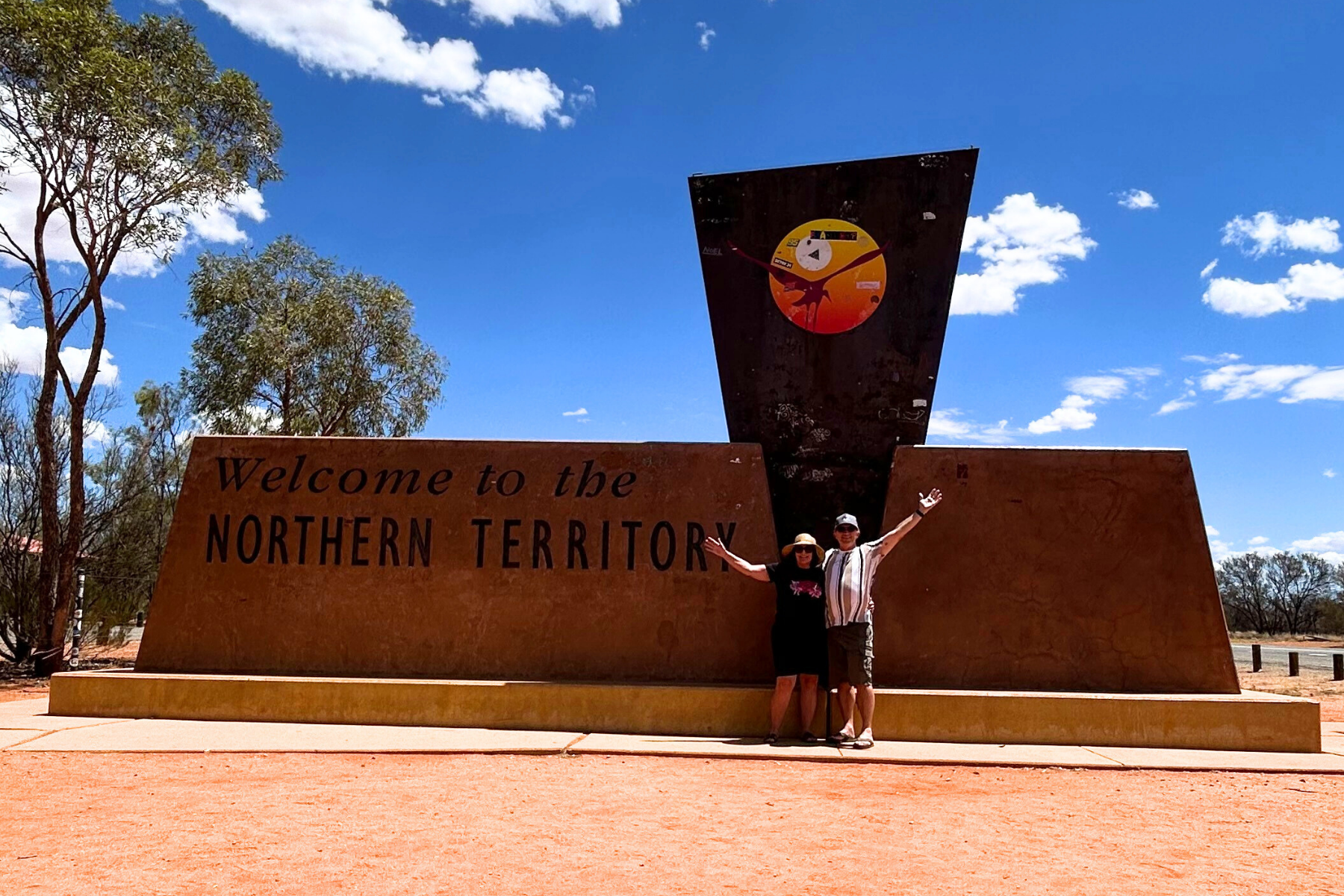
Driving Australia’s Top End: What We Learned
Driving from Brisbane to Darwin is one of those classic Australian road trips that sounds romantic… until you’re actually in it. Long driving days, endless stretches of road, unexpected detours, and moments of absolute awe all rolled into one unforgettable journey.
This post is the hub for everything we learned on our Brisbane-to-Darwin road trip. Whether you’re planning the drive, already mapping out your stops, or just dreaming about tackling the Top End one day, this guide will walk you through the reality of the trip.
We didn’t take a slow, relaxed approach. This was jam‑packed, mileage-heavy, and built around making it from A to B while still squeezing in the highlights. And honestly? That’s exactly how many people end up doing this drive.
Is the Brisbane to Darwin Road Trip Worth It?
Short answer: yes, you can do it, if you plan it properly.
This is not a casual weekend road trip. It’s a serious undertaking, covering thousands of kilometres, in our case, 5,135 km, depending on the route you choose. Once you leave Queensland and enter the Northern Territory, the distances between towns grow significantly, fuel stations can be sparse, and mobile reception often drops out, making careful planning essential. But the effort is worth it. Along the way, you’ll be rewarded with:
Ever‑changing landscapes
True outback driving, where long stretches of road test your endurance but also give you a sense of freedom and solitude that’s hard to find anywhere else
Unique roadhouses and small towns break up the journey, offering glimpses of local life and quirky roadside charm, and each stop becomes part of the adventure rather than just a pit stop
A real sense of accomplishment when you roll into Darwin, knowing you’ve conquered one of Australia’s most iconic long-distance drives.
If you enjoy road trips that feel like an achievement rather than a holiday resort stay, this one delivers in spades, challenging, exhausting at times, but ultimately unforgettable.


Photo 1: Mataranka Hot Springs, Photo 2: Darwin Waterfront
How Long Do You Need for Brisbane to Darwin?
This is the biggest question people ask when planning a Brisbane to Darwin drive, and the answer really depends on how much driving you’re comfortable with, as well as how much time you want to spend exploring along the way.
Typical Timeframes
Fast-paced trip: 10–14 days (we completed ours in 9 days). This involves long days behind the wheel, early starts, and a focus on covering distance rather than sightseeing. It’s ideal if your schedule is tight or you’re relocating, but it can be exhausting.Balanced trip: 2–3 weeks. This gives you more flexibility to break up the longer drives, include a few rest days, and explore some attractions without feeling rushed.
Slow, sightseeing-heavy trip: 4+ weeks. Perfect for travellers who want to take their time, visit national parks, small towns, and side attractions, and enjoy the journey at a leisurely pace.
We took a fast-paced approach, with many long driving days. If you want time for hikes, tours, waterfalls, and rest days, add more time than you think you’ll need.
Best Time of Year to Drive Brisbane to Darwin
The best time of year to drive from Brisbane to Darwin is generally during the Australian winter months, from May to September, when temperatures are milder, and the risk of heavy rain or flooding is lower. Travelling in summer, particularly between December and February, can be challenging due to intense heat in Queensland and the Northern Territory, along with the possibility of tropical storms and road closures in northern regions. Winter travel also makes long days on the road more comfortable, reduces fatigue from the heat, and allows you to enjoy the landscapes and wildlife without the added stress of extreme weather. Planning your trip during this period ensures a safer, more enjoyable journey and gives you the flexibility to explore roadside attractions along the way.
Best months
May to September (Dry Season)
- Cooler temperatures
- Roads and national parks more accessible
- Peak travel season
Months to avoid
November to March (Wet Season)
- Extreme heat
- Flooded roads
- Park closures
Our trip wasn’t planned around ideal conditions; it was scheduled for January due to a work relocation. With widespread flooding across northern Queensland, our original route was off the table, forcing us to take the longer way around Australia and make our way north via the Stuart Highway.
Route Options: Which Way Should You Go?
There’s no single “right” way to do a Brisbane to Darwin drive, but most trips follow a combination of these major highways:
Bruce Highway along the Queensland coast, where you’ll pass lush greenery, small coastal towns, and rolling hills.
Flinders Highway further inland, taking you through wide-open plains, cattle country, and the heart of rural Queensland.
Stuart Highway, the main route through the Northern Territory, offering long stretches of outback, dramatic red earth, and that unforgettable sense of remoteness.
Some travellers take a detour through Mount Isa to explore its mining history, while others loop via Three Ways before continuing north. Which route you choose will depend on your available time, current road conditions, and the sights and experiences you most want to enjoy along the way.
➡️ Read our Post The Ultimate Brisbane to Darwin Road Trip: Driving Guide & Stops.
What the Drive Is Really Like
This is where expectations need a reset. Many days involve 6–9 hours of driving, with towns sometimes hundreds of kilometres apart and fuel stops that require careful planning. Mobile reception can drop out for long stretches, reminding you just how remote parts of this journey really are.
But it’s not all challenges. You’ll witness sunsets that stop you in your tracks, and come across wildlife right beside the road, from kangaroos bounding across the plains to curious emus watching you pass. There’s a surreal sense of being truly isolated, yet connected to the vast, open beauty of the outback. It’s exhausting, yes, but in the best possible way, every kilometre feels earned, and the memories you create along the route are ones you’ll never forget.


Photo 1: Amazing Sunsets, Photo 2: Emu’s running alongside the highway
Where to Stop Along the Way
We structured our stops around practical needs like fuel, accommodation, and realistic daily driving limits, rather than simply chasing bucket‑list attractions. Covering such long distances meant careful planning was essential; knowing where we could refuel, rest, and recover each day helped us avoid fatigue and stay on schedule. At the same time, this approach gave us the flexibility to enjoy the journey, take in the changing landscapes, and stop at interesting places that caught our eye along the way. Some days were meticulously planned, while others were spontaneous decisions, which added an element of adventure to the trip.
Common stopovers included:
Regional Queensland towns, perfect for stretching our legs, grabbing meals, and restocking supplies before tackling the next long stretch.
Outback roadhouses, offering a glimpse into life in remote Australia and a quick break from the open road.
Key Northern Territory highway stops, ideal for overnight stays and short breaks, providing the chance to rest and prepare for the long drives ahead.
By balancing planned stops with spontaneous discoveries, we could safely cover the long distances while still enjoying the unique sights and experiences along the route. Each stop became more than just a pause, it was part of the journey, a way to connect with the outback and make the drive memorable.
➡️ Detailed stop-by-stop guides are linked below.


Photo 1: Coober Pedy Golf Course, Photo 2: Bourke Water tower Mural, Photo 3: Kulgera Pub
Accommodation: What Worked for Us
On a trip like this, accommodation isn’t about luxury, it’s about practicality, comfort, and being in the right location. After long days behind the wheel, the last thing you want is to arrive somewhere that’s difficult to access, has limited parking, or leaves you feeling more exhausted than rested. For us, the key factors were:
Location – staying somewhere close to the highway or the next morning’s starting point to minimise extra driving.
Parking access – particularly important for those long stretches where we arrived late and needed a safe, convenient spot for the car.
Comfort after long drives – a clean, quiet room, a decent bed, and a chance to recharge were non-negotiable.
We stayed in a mix of accommodation types depending on what was available and practical for the day:
Motels, which were easy to find and offered simple conveniences for a night’s stay.
Caravan parks, perfect for stretching out, enjoying a bit of space, and meeting other travellers on similar journeys.
Hotels, which provided extra comfort when we had longer breaks or wanted a little more luxury after a particularly long day.
Booking ahead was essential, especially during peak season and in more remote areas, where options can be limited. By planning accommodation carefully, we could focus on enjoying the drive itself without the stress of searching for rooms at the last minute. Each place became part of the journey, offering a small window into local life and a moment to rest, recharge, and prepare for the next leg of the adventure.


Broken Hill Outback Resort – Fantastic Food, superb accommodation and wonderful sunsets
What to Pack for a Long-Distance Aussie Road Trip
Packing smart can make or break this drive. When you’re covering thousands of kilometres through remote areas, every item you bring, or forget, can affect your comfort, convenience, and even safety. It’s not just about clothes and toiletries; it’s about planning for long stretches without services, sudden weather changes, and those unexpected stops along the way. Essentials like plenty of water, snacks, a first-aid kit, chargers, and a reliable GPS or offline maps are crucial. Layered clothing is a must to handle the heat of the day and cooler mornings or evenings, and a few small comforts, like travel pillows or a reusable coffee cup, can make long hours on the road much more enjoyable. By packing thoughtfully, you give yourself the freedom to focus on the journey itself, rather than worrying about what you left behind.
Essentials we wouldn’t skip again
- Plenty of water
- Offline maps
- Emergency snacks
- First aid kit
- Car charger and power banks
- Sun protection – A MUST
This isn’t a drive where you can assume “we’ll just grab it at the next shop.” As we discovered, sometimes, there is no next shop.
Budget: How Much Does Brisbane to Darwin Cost?
Your biggest expenses will be:
- Fuel
- Accommodation
- Food
With thousands of kilometres to cover, fuel costs alone can add up quickly, especially when driving through remote stretches where petrol stations are few and far between. Accommodation is another significant expense; staying in motels, caravan parks, or hotels along the route is essential for safety and rest, but nightly costs can vary widely depending on location and season. Food may seem minor in comparison, but regular meals, snacks, and drinks for long days on the road also add up, particularly when options are limited in outback towns. Even if you stick to a budget, the sheer distance of the trip means costs will accumulate, so planning ahead and setting realistic expectations is key to avoiding surprises.
➡️ We’ll share a full budget breakdown in a dedicated post.
Is This Road Trip Suitable for Everyone?
This trip is ideal for those who enjoy long drives, thrive on the open road, and don’t mind spending several hours behind the wheel each day. It suits travellers who are comfortable with remote travel, where towns can be far apart, services are limited, and mobile reception can be spotty. A love of structured planning also helps; mapping out fuel stops, accommodation, and daily distances in advance makes the journey far more manageable and enjoyable.
On the other hand, it may not be the best fit for those who dislike driving for long periods, prefer a more spontaneous, unplanned approach to travel, or need frequent rest days to feel comfortable on a trip. With stretches of hundreds of kilometres between stops and long days on the road, this drive can be exhausting if your travel style leans toward slow exploration or flexible itineraries. Being honest about your own preferences and energy levels before committing is key. The Brisbane to Darwin drive can be an unforgettable adventure, but it rewards those who are prepared, patient, and ready for the unique challenges of outback travel.
Would We Do It Again?
Yes, but with clearer expectations.
The Brisbane to Darwin road trip isn’t about slow mornings and short drives. It’s about endurance, planning, and embracing the scale of Australia. If you go in prepared, it’s one of the most rewarding road trips you can do.
This post is just the starting point. Below you’ll find links to every detailed guide we’ve created from this journey.


100% we will do this road trip again….just not in January!
Brisbane to Darwin Road Trip Series
Our exact route + daily distances
Best stops and overnight towns
What we’d do differently next time
Budget breakdown
Packing checklist
Tips for driving long distances in Australia
Accommodation Recommendations
(All posts will be linked here as they’re published.)
If you’re planning this road trip and want practical, real-world advice, not just highlight reels, you’re in the right place.